
Why You’re Seeing Flying Ants Inside Your Home
Serving Pompano Beach, Boynton Beach, and surrounding areas

When you see ants in your home, the most likely explanation is that they’re gathering or scouting for resources, they’re trying to establish a colony in your home, or have done so already. But what if they’re flying ants? What does it mean if you see flying ants in your house?
Let’s start with the short and sweet answer. Or click here and jump straight into our in-depth explanation of flying ants in the home. Here’s the quick answer why you’re seeing flying ants: They’re establishing nests in the vicinity.
We can confidently say this because a winged ant is a special type of ant called an “alate,” which is a fancy term for a breeding ant. When alates show up, it’s for one reason – to mate and disperse to create new colonies.
Got it? Now let’s dig deeper into what it means when you have flying ants in your house, including flying ant identification and prevention tips.
Two Hosts Discuss Flying Ants
Listen to an audio podcast that covers this article.
Why Are You Seeing Flying Ants? – A Detailed Answer
Flying ants are a sign that ants are looking to establish new colonies in the area.
 They come from an existing ant colony, probably within a hundred yards or so of where you spot the flying ants, as ants don’t like to fly long distances. Flying ants are reproductive ants known as alates. When you see them, it means your property has caught their attention as a possible nesting location.
There are a few possibilities of what species they may be.
Types of Winged Ants Found in Florida
Florida’s warm climate makes it a hotspot for ant activity, and several winged species can be spotted during their mating flights. Here are some of the most common:
- Carpenter Ants: These ants tunnel through wood to build nests. While they don’t consume wood like termites, the damage from their excavation can still affect the structure of your home.
- Fire Ants: Known for their fiery stings and aggressive behavior, fire ants with wings are a warning sign that a new colony may be forming nearby.
- Pharaoh Ants: Small and quick to spread, Pharaoh ants are particularly tough to control and notorious for infesting buildings quickly.
- Crazy Ants: Unpredictable in movement and difficult to manage, these ants live up to their name and can be relentless in their spread.
- Termites: It can be tough to tell ants and termites apart sometimes, as they’re about the same size and both have winged reproductive alates.

How Do You Tell the Difference Between Ants and Termites?
When you spot winged ants, one of the first things that runs through your mind is, “Are they termites?” It can be tough to tell ants and termites apart sometimes, but knowing the differences between these two can save you time and money.
If you’re dealing with termites, we recommend calling a professional termite exterminator as soon as possible.
Here are three simple ways to tell them apart:
- Waist: Ants have a defined, pinched waist. Termites have a broad, straight body without a narrow waist.
- Wings: Ants have front wings that are larger than the back ones. Termite wings are all the same size.
- Antennae: Ants have antennae with a bend in the middle. Termite antennae are straight and bead-like.
What Do Flying Ants Mean to Homeowners? Are Flying Ants a Big Deal?
If you’re a homeowner, yes, flying ants are a big deal because they represent an increased likelihood of infestation and potential property damage if they’re carpenter ants or termites. You don’t have to panic, but you should take the problem seriously.
Winged ants aren’t looking to bite or sting you; they’re simply trying to mate and build new nests. Still, their presence indoors shouldn’t be taken lightly. A swarm of flying ants often signals the beginning of an infestation. If you notice additional ants on your property or ant warning signs, give us a call as soon as possible for stress-free ant control services.
Even more concerning is the possibility that those insects aren’t ants at all; they could be flying termites. Termites can quietly destroy wooden structures from the inside out. Confusing the two could lead to delays in treatment, which is a much more serious issue. If you think this could be a possibility, be sure you know what to look for with these most common types of termites in Pompano Beach.
How to Handle a Flying Ant Problem
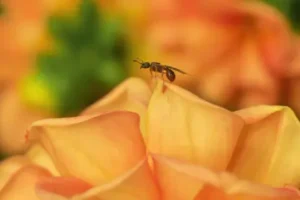 If you see flying ants near your house, stay alert. Continue monitoring for additional signs of ant activity. Act quickly if you find more. If the problem seems to get worse, call a professional ant exterminator.
If flying ants have made their way into your home, here are a few steps you can take:
- Treat the ants directly: A targeted ant treatment can help reduce the current swarm. You might not eliminate every one of them, but reducing their numbers early on can limit future issues.
- Keep watch on the area: A swarm indoors typically means there’s a nearby colony, or one forming soon. Stay alert and routinely check for activity throughout the following days.
- Close up entry points: Seal cracks, gaps, and crevices around doors, windows, and foundations to make your home harder to access.
- Cut off food and water: Store food in airtight containers, clean surfaces frequently, and fix leaks that could serve as water sources.
- Set ant bait traps: Position baits near areas where ants enter. They’ll carry the bait back to the nest, helping reduce the population at the source.
Expert Services for Flying Ants and Termites
A sudden appearance of flying ants can be the first sign of a bigger pest issue. Whether it’s a developing ant colony, or something more destructive like termites, acting fast is the best defense.
At Petri Pest Control, we’re here to help with thorough ant and termite treatments, tailored to your situation. Get in touch with us today for a free quote, we’ll help you protect your home before the infestation grows.
Back to Ant Exterminators