
Signs a Raccoon May Have Rabies
Serving Pompano Beach, Boynton Beach, and surrounding areas
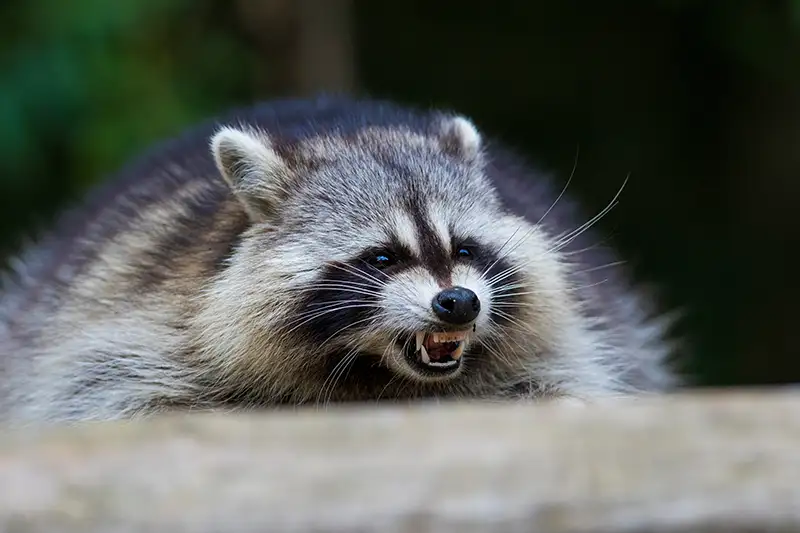
If a raccoon is behaving strangely on your property, you may wonder whether it could have rabies. Rabies is a serious viral disease that affects the nervous system of mammals, including raccoons, pets, and people.
There is no reliable way to confirm rabies simply by looking at an animal. However, certain unusual behaviors and neurological symptoms may indicate that a raccoon is sick and should be avoided.
What Are the Signs of Rabies in a Raccoon?
Rabies can cause significant changes in an animal’s behavior and coordination. Possible warning signs include:
- Unusual Aggression: A raccoon may behave aggressively or attack without an obvious reason.
- Unusual Tameness: A wild raccoon that seems unusually approachable or shows little fear of people may be ill.
- Disorientation or Staggering: Rabies can affect coordination, causing an animal to stumble, circle, fall, or appear confused.
- Difficulty Swallowing: A sick raccoon may have trouble eating, drinking, or swallowing normally.
- Excessive Drooling: Drooling may occur when rabies affects an animal’s ability to swallow saliva.
- Weakness or Paralysis: As neurological illness progresses, an affected animal may become weak or partially paralyzed.
Does Seeing a Raccoon During the Day Mean It Has Rabies?
No. Although raccoons are primarily active at night, healthy raccoons may also forage during daylight hours. Daytime activity by itself does not mean a raccoon has rabies.
Daytime activity becomes more concerning when it occurs alongside other unusual behavior, such as staggering, aggression, excessive drooling, paralysis, or an animal that is unusually easy to approach.
What Should You Do If a Raccoon Is Acting Strangely?
If you encounter a raccoon that appears sick or is behaving abnormally, avoid approaching, touching, trapping, or attempting to handle the animal.
- Keep Your Distance: Move people and pets away from the animal.
- Do Not Handle It: Even a raccoon that appears weak or unusually tame may bite or scratch when approached.
- Keep Pets Away: Prevent dogs, cats, and other pets from making contact with the animal.
- Contact the Appropriate Authority: Report a sick or potentially rabid animal to local animal control or the appropriate wildlife authority.
What Should You Do After a Raccoon Bite or Scratch?
If a raccoon bites or scratches you, or you believe its saliva may have contacted an open wound, your eyes, nose, or mouth, treat the situation as a potential rabies exposure.
Immediately wash the affected area thoroughly with soap and running water and seek medical care. Contact your healthcare provider and local county health department as soon as possible so they can evaluate the exposure and determine whether rabies post-exposure treatment is recommended.
Do not attempt to capture the animal yourself. Provide animal control or health officials with as much information as possible about the animal and where the encounter occurred.
Can You Tell If a Raccoon Has Rabies by Looking at It?
No. Other illnesses can cause neurological symptoms similar to rabies. For example, canine distemper can cause disorientation, coordination problems, seizures, and other abnormal behavior in raccoons.
Because rabies and other wildlife diseases cannot be reliably distinguished based on appearance alone, avoid direct contact with any raccoon that appears sick or behaves unusually.
Professional Raccoon Removal in South Florida
If a healthy nuisance raccoon has moved into your attic, crawl space, or another part of your property, Petri Pest Control provides professional raccoon removal throughout Broward & Palm Beach Counties, FL.
If you suspect an animal may have rabies or someone has been exposed, contact local animal control and your healthcare provider or county health department rather than attempting removal yourself.
Back to Wildlife Removal