
Termite Inspection: What to Expect & How to Prepare
Serving Pompano Beach, Boynton Beach, and surrounding areas
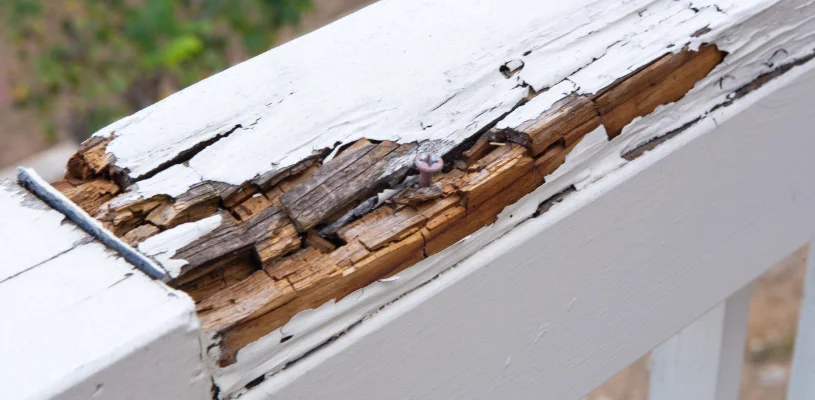
If you’re considering a professional termite inspection, knowing what to expect can make the process easier. Termites often remain hidden inside wood, walls, foundations, and other areas, so an inspection can help identify activity before damage becomes more extensive.
A professional termite inspection is more than simply looking for visible termites. A trained inspector evaluates the interior, exterior, and surrounding property for signs of current activity, previous damage, and conditions that may contribute to termite problems.
In this homeowner guide, you’ll learn:
- What a Professional Termite Inspection Includes: How inspectors evaluate your home and property for termite activity and risk factors.
- What Happens During a Termite Inspection: What typically happens as the inspector evaluates the property.
- How to Prepare for a Termite Inspection: Simple steps that can make important areas easier to access.
- What Termite Inspectors Look For: Common signs including mud tubes, damaged wood, frass, and discarded wings.
- What Happens After the Inspection: How findings are explained and what may happen if termite activity is discovered.
- How to Help Prevent Termites After Your Inspection: Steps that can help reduce conditions favorable to termites.
- Why Schedule a Termite Inspection?: How professional inspections can help identify hidden activity and risk factors.
- FAQs About Termite Inspections: Answers to common questions about the inspection process.
- How to Schedule a Termite Inspection: How to contact Petri Pest Control for service in South Florida.
Listen Now: Preparing for a Termite Inspection
Prefer to listen? This audio guide covers what to expect and how to prepare for your inspection.
What a Professional Termite Inspection Includes
A professional termite inspection is a detailed evaluation performed by a trained pest control professional to look for signs of termite activity, previous damage, and conditions that may increase termite risk.
Because termites can remain hidden inside wood and structural areas, visible activity may not always be obvious. A professional inspection can help identify warning signs that homeowners may overlook.
Termite Inspection Checklist: How to Prepare Before Your Appointment
Preparing your home ahead of time can make important inspection areas easier to access. Use this checklist before your appointment:
1. Clear Access to Key Areas
Make sure attic entrances, crawl space access points, areas under sinks, and other important inspection locations are accessible.
2. Move Items Away From Walls
Move boxes, furniture, and stored items away from walls or baseboards where possible so the inspector can evaluate those areas.
3. Clear Garage and Storage Areas
Move stored items or lumber away from perimeter walls and other areas that may need to be inspected.
4. Trim Vegetation Around Your Home
Trim shrubs, vines, and other vegetation away from exterior walls and foundation areas where practical.
5. Clear Wood and Debris Near the Foundation
Move firewood, scrap lumber, cardboard, and other cellulose materials away from the foundation.
6. Secure Pets
Keep pets in a secure area during the inspection so the technician can safely access the property.
What Happens During a Termite Inspection?
A professional inspection follows a systematic process to evaluate accessible areas of the property for termite activity, damage, and conditions that may contribute to an infestation.
What Do Termite Inspectors Look For?
Inspectors look for physical evidence of termite activity as well as conditions around the property that may increase termite risk. Common signs include:
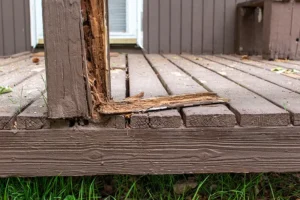
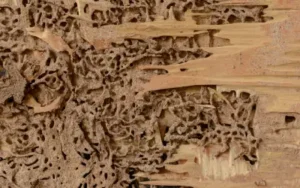
- Damaged or Hollow-Sounding Wood: Termite feeding can weaken wood or leave internal galleries that are difficult to see from the surface.
- Mud Tubes: Subterranean termites commonly build mud tubes along foundations, walls, and other surfaces as they travel between the soil and a food source.
- Frass: Drywood termites push small, pellet-like droppings from their galleries through tiny openings in infested wood.
- Discarded Wings or Swarmers: Winged termites or piles of shed wings can indicate an active colony nearby.
- Moisture and Conducive Conditions: Leaks, standing water, poor drainage, wood-to-soil contact, and other conditions may increase termite risk.
What Happens After a Termite Inspection?
Once the inspection is complete, your technician will explain what was found and answer your questions.
If termite activity is identified, Petri Pest Control can recommend a control method based on the termite species, location, extent of activity, and accessibility. If no active termites are found, the inspector may recommend preventive steps or continued monitoring based on the property conditions.
How to Help Prevent Termites After Your Inspection
South Florida homeowners can help reduce termite risk by addressing moisture, wood contact, and other conditions around the property:
- Keep gutters clean and direct downspouts away from the structure.
- Repair leaks and excess moisture problems.
- Avoid piling mulch directly against exterior walls.
- Remove unnecessary wood debris from around the property.
- Store firewood away from the structure.
- Trim vegetation away from exterior walls where practical.
- Seal accessible cracks and openings around the structure.
- Reduce unnecessary cardboard and cellulose storage in damp areas.
Why Schedule a Termite Inspection?
Florida’s climate and environmental conditions support several termite species, and infestations can remain hidden before visible damage becomes obvious. Professional inspections can help identify activity and property conditions that may warrant attention. :contentReference[oaicite:1]{index=1}
- Identify signs of termite activity that may otherwise go unnoticed.
- Identify moisture, wood contact, and other conditions that can contribute to termite problems.
- Determine whether additional monitoring, prevention, or professional treatment may be appropriate.
Termite damage is generally not covered by standard homeowners insurance, making early detection and preventive maintenance especially important. :contentReference[oaicite:2]{index=2}
FAQs About Termite Inspections
Find answers to common questions about termite inspections, including what to expect, how to prepare, and why professional identification is important.
Schedule a Termite Inspection in South Florida
Serving South Florida since 1956, Petri Pest Control provides professional termite inspections and control throughout Broward & Palm Beach Counties, FL.
Our termite experts evaluate the property for signs of activity and recommend appropriate next steps based on the termite species and conditions found.
Contact Petri Pest Control today to schedule your free termite inspection.
Back to Termite Control