
Termite Inspections: What To Expect And How To Prepare
Serving Pompano Beach, Boynton Beach, and surrounding areas
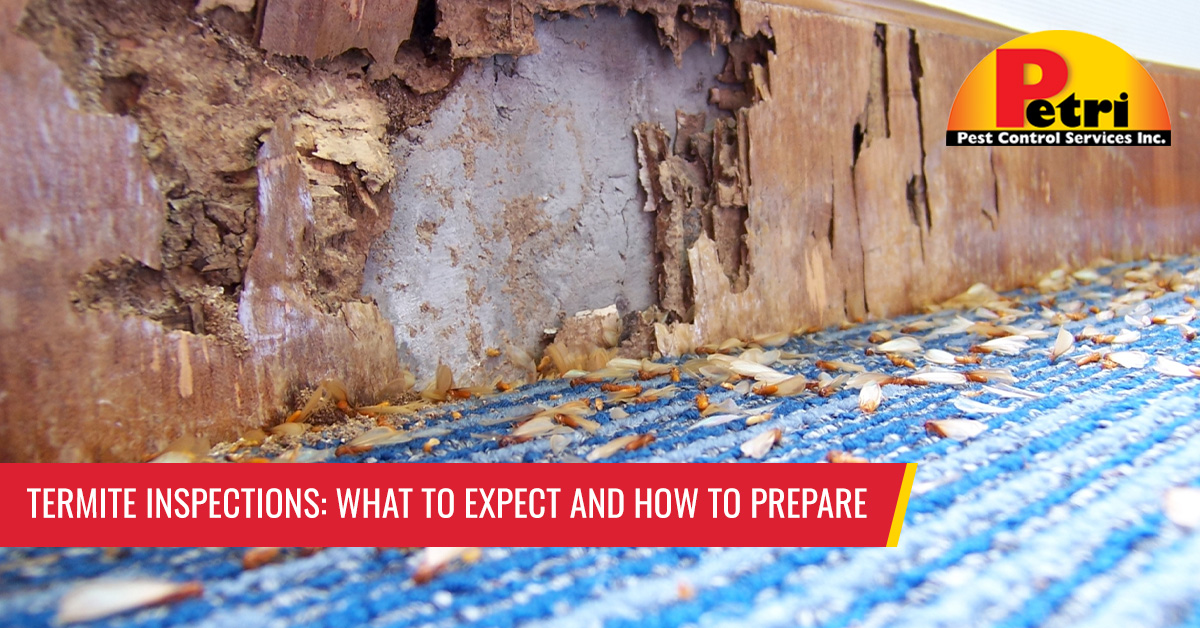
If you’re considering a professional termite inspection, you should know what to expect. In Pompano Beach, getting a routine termite inspection is a smart way to prevent expensive long-term termite damage and protect the investment you’ve made in your home. They may also be required for some real estate transactions.
At Petri Pest Control Services, Inc., we’re highly experienced in providing professional termite inspections in Pompano Beach, and we’re here to let you know how the whole process works.
Here’s what you can expect to find on this page:
- What a professional termite inspection is: A thorough assessment of your home and property by an experienced termite exterminator who knows exactly what to look for.
- Our termite inspection process: From your exterior to your interior to your surrounding landscape, we check everywhere to identify active termite colonies as well as risk factors for future infestations.
- How to prepare for a termite inspection: We’ll tell you a few easy things you can do beforehand to ensure your termite control technician can perform a comprehensive inspection.
- What our termite inspectors are looking for: We’re specifically looking for telltale signs of termites look damage to wood, mud tubes, frass, and wing piles. We’re also looking for conditions that are conducive to termite activity.
- What to do after your termite inspection: If you want to keep your home free of termites long after your inspection is over, here’s what you can do.
- Why you need a termite inspection: What are the main benefits of routine termite inspections? What are the risks of not getting one?
- How to schedule a termite inspection: Reach out to us – or your local termite control specialist – to schedule a convenient time for your inspection.
Listen Now: Preparing for a Termite Inspection
Prefer to listen? This audio deep dives covers everything you need to know!
Start With A Quote On Us
Click below to contact Petri Pest Control for a FREE pest control quote.
How a Termite Inspection in Pompano Beach Works
From the moment you call us to receiving your report, think of us as your resource to ask anything you need to know about termites and termite inspections. Let’s start with the basics.
What is a termite inspection?
A termite inspection performed by a licensed termite inspector is a much more comprehensive assessment than your standard home inspection. Our termite inspections take into account the entire physical structure of your home, from your roof to your foundation.
Most termite inspections last about an hour, depending on the size of your house and the number of other buildings on your property, such as storage sheds, as well as other wooden features, such as decks, gazebos, and fences.
How our termite inspection works
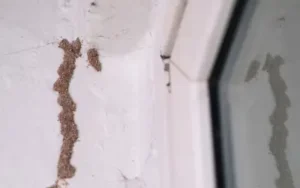 Inspecting for termites isn’t a quick stroll around the yard. It’s a systematic, start-to-finish evaluation that uncovers hidden activity, structural weak points, and future risk factors.
Our inspectors follow a proven workflow that has protected thousands of Florida homes from costly damage. Here’s how we do it, step by step:
- Exterior inspection: We circle the home, scanning siding seams, eaves, and soil lines for mud tubes, blistered paint, or soft spots.
- Foundation check: Foundations get extra scrutiny. Cracks, foam board insulation, and plumbing entries are probed for hidden galleries.
- Interior inspection: Inside, we examine baseboards, window sills, and door casings, tapping for hollows and looking for faint pinholes.
- Attic and crawl space examination: These overlooked spaces are termite heaven. We crawl, climb, and light up every beam to catch activity early.
- Moisture detection: Using state-of-the-art moisture meters, we pinpoint damp zones — termites’ favorite hangouts — behind walls or under floors.
- Wood testing: A blunt probe or screwdriver checks suspect wood; a sharp “give” signals internal tunneling.
- Yard inspection: Logs stacked against the house, buried roots, or even a decorative trellis can be termite on-ramps. We note them all.
- Documentation and reporting: Findings, photos, and risk ratings are compiled into a clear report. You’ll know what we saw, where we saw it, and what it means.
What preparations are necessary prior to a termite inspection?
Your termite specialist may or may not require preparation before your termite inspection. In general, it’s a good idea to give your termite inspector easy access to your attic, garage, crawl space, and the space under your sink.
- Remove items under your sink that are blocking your plumbing and move items from your attic that prevent your termite inspector’s access to your roof.
- If you have a crawl space, remove items that limit access to your crawl space.
- Remove items blocking expansion joints in your garage. Move items in your garage away from the walls.
- Trim branches away from the sides of your house
- Remove furniture and storage boxes from the walls on your deck or patio.
What are termite inspectors looking for?
When your termite inspector arrives, they will probe and inspect your home for signs of termite activity. Your inspector will check your baseboards, walls, and floors for tell-tale signs of termite activity that include:
- Blistered or warped surfaces: Drywood termites carve out living spaces, called galleries, in the wood they infest, compromising the structural integrity of the wood, so that it appears warped or looks like blistered paint.
- Hollow-sounding surfaces: Termites eat the wood in doors, frames, fascia, eaves, and soffits, leaving only a hollow frame that you can poke a hole through with a screwdriver with little effort.
- Kick out holes and piles of frass: Termite droppings, known as “frass,” look like a pile of sawdust. Drywood termites will drill holes in the wood they’re infesting to remove the frass from their galleries.
- Exit holes: When reproductive drywood termites swarm to start new colonies, they drill exit holes to allow the alates to swarm in late spring and summer.
- Discarded wings: After reproductive termites mate, they no longer need their wings, and their wings drop off, as the new couples find cracks or crevices to squeeze into to form their new colonies. These discarded wings are on windowsills, foundation walls, or in spider webs.
- Mud tubes: Often seen behind shrubs, underneath porches, behind stairs, behind washing machines, in the backs of closets, and in many other hidden places, mud tubes can indicate subterranean termite activity. Mud tubes can be both thin like a pencil or bulky like a large icicle.
Your termite inspector will look for holes and cracks in your foundation, and water pooling around your foundation, paying close attention to any ground-to-wood contact and mulch that meets the foundation of your home. Under your sink, in your laundry room, and in your bathroom, a termite inspector will be looking for evidence of termite activity where openings were made for plumbing pipes.
A termite inspector will look for signs of water leaks in these areas, as well. Outdoors, your termite inspector will want to check trees, tree stumps, storage sheds, decks, patios, and wooden fencing for signs of termite activity.
After your termite inspection
When your technician has completed your termite inspection, they will explain the findings to you, discuss treatment options to eliminate these destructive pests, and give you a quote for treatment if current termite activity is present.
Additionally, homeowners in Pompano Beach can take steps to keep termites out of their homes. Some of these measures include:
- Keeping your gutters clean.
- Make sure your downspouts drain away from your house.
- Trimming branches away from the sides of your house.
- Correcting or eliminating any water issues near your foundation.
- Keep wood mulch at least six to twelve inches away from your foundation.
- Decluttering your home and removing cardboard boxes.
- Removing all debris from your yard.
- Stacking firewood at least six feet from your home
Why do you need a termite inspection?
 Termites can be infesting the wood in your home for a while before you realize they are there.
- Termite damage is not covered by homeowner’s insurance, as insurance companies consider termite damage avoidable.
- Americans spend an estimated five billion dollars per year on termite control and termite damage repair.
- Termites damage around 600,000 homes in the US annually.
- According to the USDA, US residents spend at least one billion dollars each year to control Formosan subterranean termites.
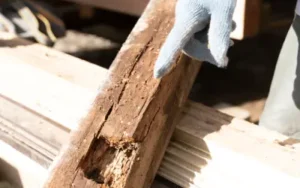 Termites can be infesting the wood in your home for a while before you realize they are there.
How to Schedule a Termite Inspection
As a homeowner in Pompano Beach, preventing termites should be a major priority! Contact us today to schedule a FREE termite inspection. Serving Palm Beach and Broward Counties since 1956, Petri Pest Control Services, Inc. is your trusted, neighborhood, family-owned pest control company!
Termites don’t rest — and neither will we. Our certified termite control experts combine local know-how with state-of-the-art tools to spot problems early, treat them decisively, and back the work with rock-solid guarantees.