
Fumigation vs. No-Tent Termite Treatment: Which Is Better?
Serving Pompano Beach, Boynton Beach, and surrounding areas
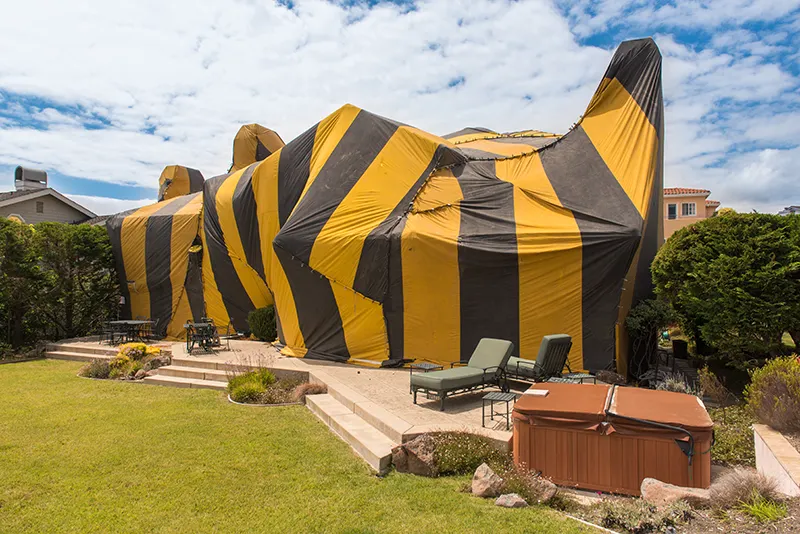
When drywood termites infest your home, choosing the right control method depends on where the termites are located and how widespread the activity is. Two common options are whole-structure fumigation and localized no-tent termite treatment.
Fumigation treats the entire structure and is often recommended when drywood termite activity is widespread or located in areas that are difficult to access. No-tent treatments target identified areas of activity and may be appropriate when an infestation is more limited and accessible.
At Petri Pest Control, we inspect the property, identify the type and extent of termite activity, and recommend the treatment option that best fits the conditions found.
With decades of termite control experience throughout South Florida, our team can help you understand the differences between these two drywood termite treatment methods and what to expect from each.
Fumigation or No-Tent Treatment: Which Is Right for Your Home?
The best treatment depends on the location and extent of the drywood termite infestation, accessibility of the affected wood, and other conditions found during the inspection.
Fumigation may be recommended for:
- Widespread drywood termite activity
- Multiple areas of infestation throughout a structure
- Termites located inside walls, attics, or other inaccessible areas
- Situations where the full extent of the infestation cannot be reliably located
No-tent treatment may be appropriate for:
- Localized drywood termite activity
- Infestations that can be identified and accessed for treatment
- Individual areas of infested wood
- Properties where a targeted treatment is appropriate based on inspection findings
The Pros and Cons of Termite Fumigation
Structural fumigation involves covering and sealing the structure with a tent and introducing a fumigant that moves throughout the enclosed space. Because the gas can penetrate inaccessible areas, fumigation is an effective whole-structure treatment for widespread drywood termite infestations. :contentReference[oaicite:1]{index=1}
After treatment, the structure must be properly aerated and cleared according to required procedures before occupants can return.
Fumigation Pros
- Treats the entire structure at one time
- Reaches drywood termites in hidden or inaccessible areas
- Does not require locating every individual drywood termite colony
- Highly effective for widespread drywood termite infestations when properly performed
Fumigation Cons
- Residents must temporarily leave the property
- Requires preparation before treatment
- Can be more disruptive than localized treatment
- Scheduling may be affected by weather and other treatment conditions
- Fumigation does not leave residual protection against future drywood termite infestations
What to Expect During Termite Fumigation
The process begins with a professional termite inspection. If fumigation is recommended, Petri will explain the preparation requirements and what you need to do before leaving the property.
During fumigation, the structure is sealed and treated by certified professionals. After treatment, it is aerated and tested before being cleared for re-entry according to applicable requirements.
Learn more about drywood termite fumigation and what to expect before scheduling service.
The Pros and Cons of No-Tent Termite Treatment
No-tent termite treatment uses localized methods to address identified areas of drywood termite activity without fumigating the entire structure. Treatment may involve drilling into affected wood and applying a product directly to termite galleries or other targeted areas.
The success of localized treatment depends heavily on accurately finding the areas where drywood termites are active. Because hidden colonies can be difficult to locate, no-tent treatment may not be appropriate for every infestation. :contentReference[oaicite:2]{index=2}
No-Tent Treatment Pros
- Targets specific areas of known drywood termite activity
- Does not require whole-structure fumigation
- Usually involves less preparation and disruption for occupants
- May be appropriate for smaller, accessible infestations
No-Tent Treatment Cons
- Requires accurate identification of the areas where termites are active
- May not reach hidden or unidentified drywood termite colonies
- May not be appropriate for widespread infestations
- Follow-up inspection or additional treatment may be recommended
What to Expect During No-Tent Termite Treatment
Petri begins with an inspection to identify visible signs of drywood termite activity and determine whether localized treatment is appropriate.
When recommended, technicians treat identified areas using products and application methods appropriate for the affected wood and location. Preparation and access requirements vary depending on where the termite activity is found.
Learn more about Petri’s no-tent termite treatment options.
Choosing the Right Drywood Termite Treatment
There is no single treatment that is best for every drywood termite infestation. Whole-structure fumigation may be the better option when activity is widespread or difficult to locate, while targeted no-tent treatment may be appropriate when the infestation is limited and accessible.
Petri Pest Control provides professional termite inspections throughout Broward & Palm Beach Counties, FL. Our team can identify the termite activity present and recommend the appropriate control method based on the conditions found.
Contact Petri Pest Control today to schedule an inspection and find out which termite control option is right for your property.
Back to Termite Control