
Serving Pompano Beach, Boynton Beach, and surrounding areas
Roof rats, Norway rats, and house mice are among the most common rodents to infest homes and businesses in South Florida. When the weather turns cool, rodents may seek shelter, food, and water indoors. Your home can provide everything they need to survive – food, water, and shelter.
Rodents can squeeze through surprisingly small openings, making it easy for them to find their way inside. They can contaminate food and surfaces with droppings and urine, damage property, and create additional health concerns for people and pets.
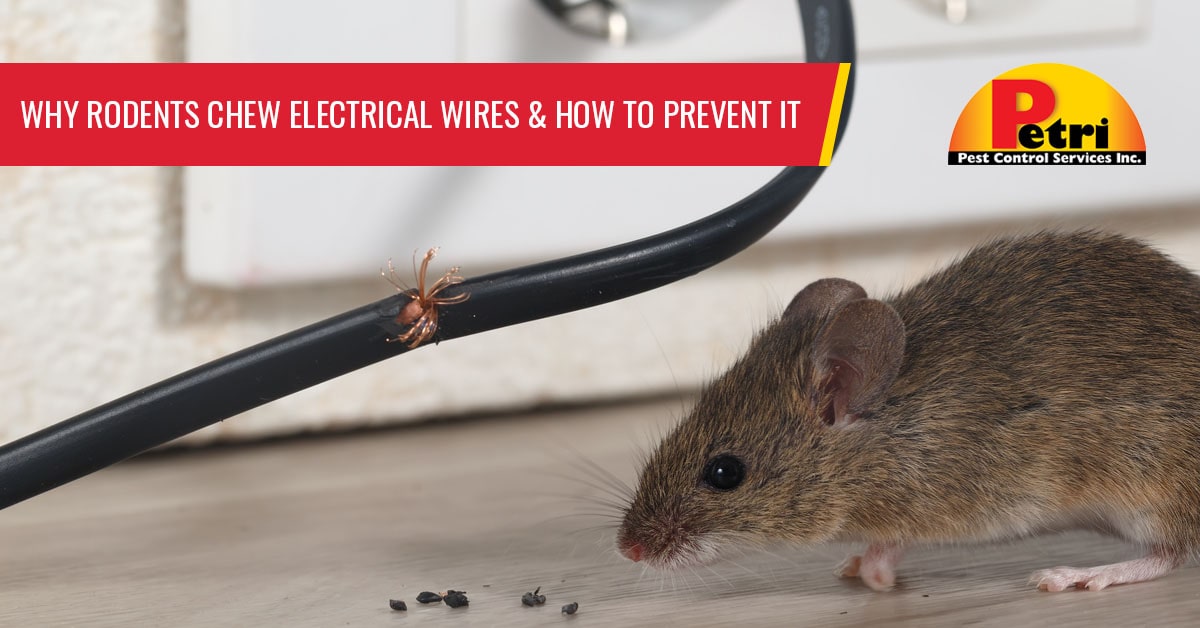
Because rodents’ incisors grow continuously, they gnaw frequently to keep their teeth worn down. This constant chewing allows rats and mice to damage insulation, wood, plastic, electrical wiring, and other materials throughout a home.
Rodents Can Spark House Fires
Electrical failures and damaged wiring can have serious consequences. The National Fire Protection Association reports that home fires involving electrical failures or malfunctions annually:
- Kill more than 420 people
- Injure 1,370 people
- Cause over $1.4 billion in property damage
Rodent-damaged wiring can increase electrical hazards in a home, making signs of rat or mouse activity especially important to address.
Electrical Problems Caused by Rodent Damage
When rodents have access to exposed electrical wiring that is not protected by hard plastic or sheet metal casings, their constant chewing can damage the wiring and create a potential fire hazard. Loose wiring in attics, crawl spaces, and walls can all be vulnerable to rodent damage.
Rodents nesting around junction boxes and loose wiring may contribute to electrical problems, including short circuits, unexpected breaker trips, and outages. Unfortunately, chewed wiring often remains hidden until another electrical issue brings the damage to light.
Homeowners who suspect electrical damage should have the wiring inspected by a qualified electrician and address any signs of rodent activity around the affected areas.
How Do You Check for Wiring Issues?
Most rodents gnaw on wiring in hidden, out-of-the-way spaces such as walls, wall voids, crawl spaces, and attics. That makes it difficult to inspect all of the wiring in your home yourself. For safety and peace of mind, consider having a qualified electrician evaluate the condition of your wiring.
If electrical problems are accompanied by rodent droppings or other signs of pest activity, rodents may be contributing to the issue. Because rats and mice are primarily active at night, an infestation can be difficult to detect at first.
Other signs of rodent activity include:
- Scurrying noises and squeaking sounds in your attic or walls
- Chewing and rustling sounds in your walls
- Chewed areas in crawl spaces and attics
- Greasy dark marks along walls where rodents travel
- Evidence of rodent pathways on floors
- An actual rodent sighting
Could Rodents Be Causing Your Electrical Problems?
If your home begins experiencing unexplained electrical issues, check for signs of rodent activity. Contact a trusted local pest control professional, such as Petri Pest Control, to schedule a rodent inspection if you find droppings, gnaw marks, nesting materials, or other evidence.
Rodents reproduce quickly, so addressing activity early can help prevent the problem from becoming more extensive. A certified and licensed technician can identify signs of rodent activity and recommend an appropriate treatment and exclusion plan for your home.
Many DIY rodent-control products are available, including baits, snap traps, and electronic deterrents. Professional pest control technicians can identify areas of activity and strategically place traps and other control measures in locations rodents are likely to travel.
A Better Solution Is Prevention
Professional pest management focuses on prevention as well as addressing active infestations. Proactive pest control programs from Petri Pest Control can address current pest activity and help reduce the risk of future problems around your property.
How to Prevent Rodents and Other Pests From Entering Your Home
As a homeowner, there are several things you can do to make your property less attractive to rodents and insects:
- Seal or caulk holes, small cracks, and crevices around your foundation, doorways, windows, and other potential entry points
- Clean up spills promptly and regularly vacuum or sweep floors after meals and snacks
- Thoroughly wipe down food preparation and dining areas
- Store dry food items in metal, glass, or hard plastic containers
- Eliminate clutter inside and outside your home
- Keep grass trimmed
- Eliminate areas of tall vegetation near your home
- Trim shrubs and bushes so branches don’t touch your house
Petri Pest Control specializes in professional pest and rodent control throughout Broward & Palm Beach Counties, FL. We provide the expertise and quality service South Florida homeowners and businesses can count on to address rodent activity and help prevent future problems.
Contact us today to schedule a free rodent inspection!
Back to Rodent Control