
How Long Do Mosquito Bites Last?
Serving Pompano Beach, Boynton Beach, and surrounding areas
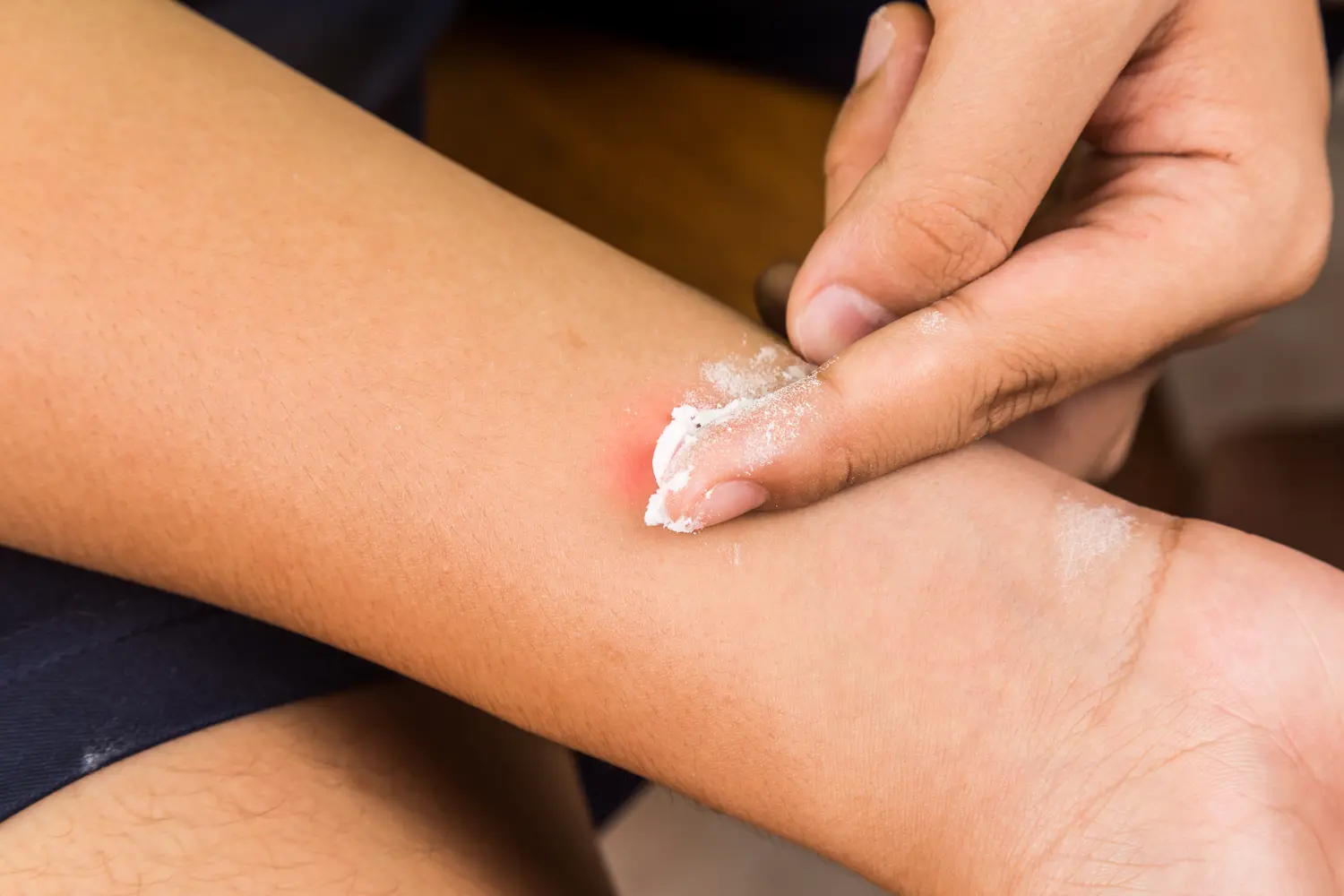
If you’ve ever stepped outside in Florida only to come back inside covered in itchy welts, you’re not alone. For most people, mosquito bites only last for a few days. After three or four days, the pink appearance disappears, but swelling can last up to seven days.
However, several factors can cause mosquito bites to linger longer than expected, including inflammation, infection, and allergies. Scratching mosquito bites can cause inflammation and sometimes result in bites becoming infected.
When you scratch and open the scab, you destroy the new skin forming underneath, which can lead to scarring and infections. If infected mosquito bites become inflamed, they may even leave a permanent scar. People who are allergic to mosquitoes face an increased risk of blistering, redness, and lingering inflammation, all of which raise the likelihood of long-term scarring.
So if you’re tired of dealing with constant mosquito bites in your yard, mosquito reduction services can help you reclaim your outdoor spaces.
Mosquito Bite Timeline: What to Expect
- During the first few hours after being bitten, you’ll likely notice a small, raised bump forming at the bite site. This is your body’s immediate immune response to the mosquito’s saliva, which contains proteins that trigger histamine release. The area may feel warm to the touch and begin itching almost immediately. Applying a cold compress during this initial stage can help reduce swelling and provide temporary relief from the itching.
- By days one through three, the bite typically reaches its peak irritation. The bump may appear red or pink and feel firm to the touch. Itching is usually most intense during this period, making it crucial to resist the urge to scratch. Applying over-the-counter hydrocortisone cream or calamine lotion can help manage the discomfort. Taking an oral antihistamine may also reduce itching, especially if you have multiple bites.
- Between days four and seven, you should notice significant improvement. The redness begins to fade, and the bump starts to flatten. Itching decreases substantially, though some sensitivity may remain. Continue keeping the area clean and moisturized to support the healing process.
- For most people, the bite is completely healed within one to two weeks. However, if you scratched the bite or have sensitive skin, you might notice a small mark that takes additional time to fade. Keeping the area protected from sun exposure can help prevent any lingering discoloration from becoming more pronounced.
Post-Inflammatory Hyperpigmentation
Some mosquito bites leave small dark circles on the skin, a condition known as post-inflammatory hyperpigmentation. These spots may fade after a few months and can be treated with:
- Over-the-counter anti-scarring creams
- Aloe vera gel
- Massage
- And other home remedies
Keloid Scarring
Other people may just be more prone to scarring, when anything breaks the top skin layer, such as mosquito bites. These scars, known as keloid scars, can grow larger than the original mosquito bite wound. Usually permanent, keloid scars are raised deposits of collagen.
Other Issues with Mosquito Bites (Mosquito-Borne Diseases)
While itching and scarring are certainly bothersome, the more serious concern with mosquito bites involves the diseases these pests can transmit. Mosquitoes are vectors for many dangerous pathogens, including Zika virus, chikungunya, malaria, yellow fever, West Nile virus, dengue fever, and Eastern equine encephalitis.
Not all mosquitoes carry diseases, but many species can transmit various pathogens if they’ve fed on an infected host. In Florida, the Aedes aegypti and Aedes albopictus mosquitoes can transmit Zika virus, dengue fever, and chikungunya. Culex mosquitoes are the primary vectors for West Nile virus and Eastern equine encephalitis.
If your Pompano Beach yard seems to have more mosquitoes than ever, contact Petri Pest Control Services, Inc. to discuss our mosquito reduction services today.
12 Mosquito Prevention Tips
- Start by conducting a thorough inspection of your property to identify and eliminate standing water sources.
- Empty and scrub birdbaths, pet water dishes, and plant saucers at least once a week.
- Clear debris from gutters and ensure they drain properly.
- Store containers like buckets, wheelbarrows, and children’s toys upside down or under cover when not in use.
- Fill in low spots in your yard where rainwater tends to pool, and consider adding drainage solutions to chronically wet areas.
- Keep your grass cut short and trim overgrown shrubs and bushes, especially near the areas where your family spends time outdoors.
- Consider planting mosquito-repelling plants like citronella, lavender, marigolds, and basil around your patio and outdoor living areas.
- When spending time outdoors, plan activities strategically to minimize mosquito encounters.
- If you must be outside during peak mosquito hours, wear protective clothing and apply repellent to exposed skin.
- Running outdoor fans on your patio or deck can also help, as mosquitoes are weak fliers and struggle in even light breezes.
- For your home’s interior, make sure window and door screens are intact and fit tightly.
- Repair any holes or gaps promptly, and consider adding screen doors if you don’t already have them.
Keep Mosquitoes Out for Good
If your Pompano Beach yard seems to have more mosquitoes than ever, it’s time to take action. Our experienced technicians at Petri Pest Control Services, Inc. will assess your property, identify mosquito breeding and resting sites, and develop a customized treatment plan to significantly reduce the mosquito population around your home.
Don’t spend another season swatting and scratching, let Petri Pest Control Services, Inc. help you take back your yard. Contact Petri Pest Control Services, Inc. today to discuss our mosquito reduction services and start enjoying your outdoor spaces again.