
Chinch Bug Facts & Identification
Type: Lawn

Key Facts - Chinch Bugs
- A destructive lawn pest known to cause severe damage to turfgrass, particularly St. Augustinegrass and zoysiagrass. These tiny insects feed by piercing grass blades and draining the sap, causing the turf to wither, yellow, and eventually die.
- Individual chinch bugs are extremely small, only about ⅕” long (roughly the size of a grain of rice). Young nymphs are orange with a white stripe across their backs, while adults are black with white wings and orange legs.
- Live in groups within the thatch layer and between leaf blade sheaths. Chinch bugs in grass create irregular yellow to brown patches that spread outward from the center of infestation.
- Common throughout Pompano Beach, thriving in warm climates and remaining active year-round. They are the most damaging insect pest of turfgrass in the state.
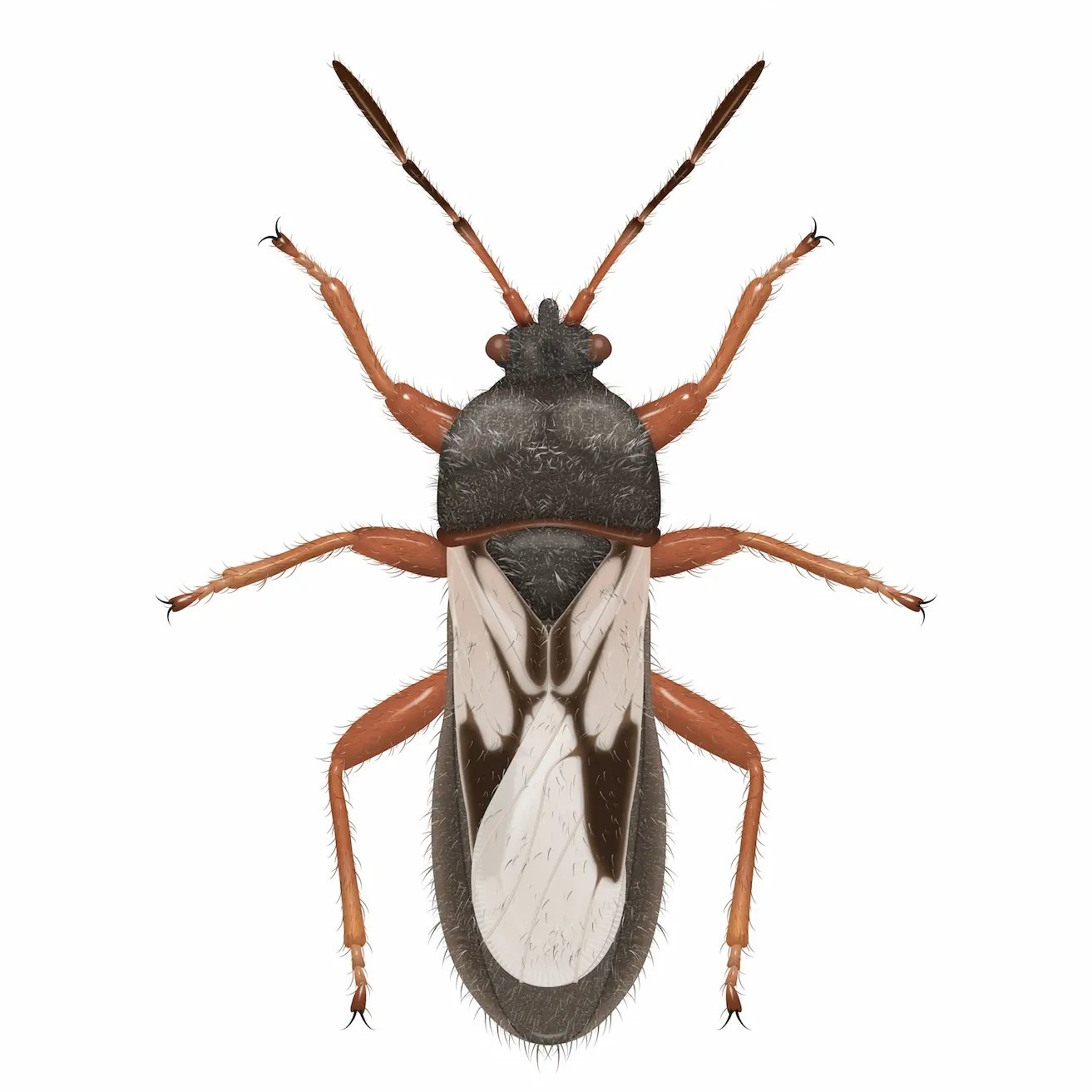
Table of Contents
What You Need to Know About Chinch Bugs in Pompano Beach
Chinch bugs in Pompano Beach are particularly destructive because they can remain active throughout the entire year, and populations can explode rapidly under favorable conditions.
Many homeowners notice mysterious brown patches spreading across their lawn, assuming drought or disease is to blame. However, ignoring the real culprit (chinch bug damage) only allows the infestation to spread until entire sections of turf are destroyed.
How Worried Should You Be About Chinch Bugs (on a 1-10 Scale)?
1
2
3
4
5
6
7
8
9
10
About a 5. Chinch bugs won’t sting or bite you, but they pose a serious threat to your lawn’s health and appearance. Because they’re so small and hide deep within the turf, infestations often go unnoticed until significant damage has already occurred.
These are the main risks of having chinch bugs on your property:
- Lawn Destruction: Chinch bug damage appears as irregular yellow to brown patches that can leave grass completely dead and bare in the center.
- Rapid Spreading: These pests live and feed in groups, causing damage that spreads outward across your lawn quickly.
- Year-Round Activity: Unlike many pests, chinch bugs in Pompano Beach can cause damage any time of year, making constant vigilance necessary.
- Expensive Turf Replacement: Severe infestations may require repairing or re-sodding affected areas of your lawn.
- Recurring Infestations: Chinch bugs are becoming resistant to many common insecticides, making professional chinch bug treatment increasingly important.
- Stressed Turf Vulnerability: Lawns already dealing with drought stress, improper mowing, or over-fertilization are especially susceptible to attack.
How to Identify Chinch Bugs
How do you spot chinch bugs? Look for tiny insects hiding in the thatch layer or between grass blade sheaths. Because of their small size, they can be difficult to detect without close inspection.
You’re most likely to find chinch bugs in grass that’s in full sun or areas experiencing water stress. Here are additional signs of chinch bug activity:
- Irregular brown patches: Yellow to brown areas that spread outward, often with dead, bare centers – this is classic chinch bug damage.
- Orange nymphs or black adults: Inspect the border between healthy green grass and damaged areas for these telltale insects.
- Sun-exposed areas: Chinch bugs prefer warm, sunny spots in your lawn over shaded sections.
- Thatch buildup: A thick thatch layer provides ideal habitat for chinch bug colonies to thrive.
Quick Detection Tip: Quick Detection Tip: Use the flotation method by inserting a bottomless metal can several inches into the soil at the edge of a damaged area. Keep the can filled with water for about five minutes; chinch bugs present in the turf will float to the surface.
Ready to be pest-free?
Get a free quote today and see why thousands of homeowners across Pompano Beach and the surrounding areas choose Petri Pest Control Services, Inc.
How to Get Rid of Chinch Bugs
Chinch bug control can be challenging with DIY approaches because these pests are developing resistance to many common over-the-counter insecticides. Store-bought treatments may provide temporary relief but often fail to eliminate the underlying infestation. Additionally, improper pesticide use can harm beneficial insects that naturally help control chinch bug populations.
Can You Prevent Chinch Bugs?
Yes. Taking proactive steps can significantly reduce your lawn’s vulnerability to chinch bug infestations. While complete prevention isn’t always possible, proper lawn care makes your turf far less attractive to these destructive pests:
- Water properly: Make sure to get even irrigation distribution across your lawn to avoid drought-stressed areas that attract chinch bugs.
- Mow at the right height: Cutting grass too short weakens turf and makes it more susceptible to chinch bug damage.
- Fertilize appropriately: Avoid excessive nitrogen in your fertilizer program, which can encourage chinch bug activity.
- Manage thatch buildup: Keep the thatch layer under control since this organic matter provides ideal habitat for chinch bugs.
- Monitor regularly: Scout your lawn weekly for yellow or brown patches, especially during warm weather.
- Schedule routine professional treatments: The most reliable long-term chinch bug control comes from regular professional pest management services.
Call Petri Pest Control Services, Inc. for Chinch Bug Control You Can Trust
Living with a damaged, patchy lawn doesn’t have to be your reality. At Petri Pest Control Services, Inc., we specialize in chinch bug treatment throughout Pompano Beach.
Our process includes:
- Inspection: A comprehensive evaluation of your lawn by a licensed professional to identify chinch bug activity and damage.
- Treatment: Targeted applications designed specifically for existing chinch bug infestations.
- Prevention: Strategies to discourage new infestations from taking hold.
- Follow-Up: Ongoing monitoring for long-lasting results.
Give us a call today if you have questions about our professional chinch bug control services, or if you’re ready to schedule an inspection!

Chinch Bug FAQs
Where do chinch bugs live?
Chinch bugs in Pompano Beach thrive in the state’s warm climate and are considered the most damaging insect pest of turfgrass in the region. They prefer sunny locations and are most commonly found in St. Augustinegrass and zoysiagrass lawns.
These pests hide within the thatch layer (the organic matter that accumulates beneath the turf) and between the sheaths of grass blades. Lawns with excessive thatch buildup, improper irrigation, or other stress factors are especially vulnerable to infestation. Chinch bugs in grass tend to congregate in groups, causing damage that radiates outward in irregular patterns.
What do chinch bugs eat?
Chinch bugs primarily feed on turfgrass by inserting their piercing mouthparts into grass blades and draining the plant’s sap. This feeding damages the grass and can cause the turf to yellow, wither, and eventually die, especially when infestations are severe.
Their preferred hosts include:
- St. Augustinegrass (the most widely planted turfgrass in Pompano Beach)
- Zoysiagrass
- Other warm-season turfgrass varieties
What is the chinch bug life cycle?
Chinch bugs progress through three life stages: egg, nymph, and adult. Females lay eggs in the thatch and soil, which hatch into tiny orange nymphs with a distinctive white stripe across their backs.
As nymphs mature, they go through several growth stages, gradually developing their adult coloring. Fully grown adults are black with white wings and orange legs, measuring approximately ⅕” long. In Pompano Beach’s warm climate, multiple generations can develop each year, allowing populations to grow rapidly.
What are chinch bug behaviors I should look out for?
Chinch bugs tend to live and feed in groups within the turf. They prefer warm, sunny areas and tend to attack grass that’s already experiencing stress from drought, improper mowing, or over-fertilization.
These pests typically remain hidden in the thatch layer during the heat of the day. Their feeding creates irregular damage patterns that start small and spread outward as the population grows. Chinch bugs are most active during warm weather but can cause damage year-round in Pompano Beach.
Do chinch bugs bite or sting?
No, chinch bugs do not bite or sting people or pets. They feed exclusively on grass and pose no direct threat to humans or animals. However, the damage they cause to lawns can be extensive and costly to repair.
Are chinch bugs harmful to humans?
Chinch bugs are not harmful to humans. They cannot bite, sting, or transmit diseases. Their danger lies entirely in the destruction they cause to turfgrass, particularly St. Augustinegrass lawns throughout Pompano Beach.
Where did chinch bugs originate?
The chinch bug is native to the southeastern U.S. and has been a persistent pest of warm-season turfgrasses in the region for decades. Pompano Beach’s climate provides ideal conditions for chinch bug populations to flourish.
Are chinch bugs invasive?
Since it’s native to the Southeast U.S., it’s not considered an invasive species in Pompano Beach. However, their populations can become extremely problematic, earning them the distinction of being the state’s most damaging turfgrass pest.
When are chinch bugs most active?
Chinch bugs are most active during warm weather, typically from late spring through early fall. However, in Pompano Beach’s mild climate, they can remain active and cause chinch bug damage throughout the entire year.
Infestations tend to peak during hot, dry periods when lawns are already experiencing water stress.
What should I do if I find chinch bugs in my lawn?
If you discover chinch bugs in grass on your property, take action quickly before the damage spreads. Start by properly identifying the pest: big-eyed bugs (which are beneficial insects that eat chinch bugs) can easily be confused with their prey.
For active infestations causing visible damage, professional chinch bug treatment is recommended. Because chinch bugs are becoming resistant to many common pesticides, working with a licensed pest control professional ensures the most effective treatment approach.