Australian Cockroach Facts & Identification
Type: Cockroaches
Key Takeaway - Australian Cockroaches
- Australian cockroaches are large, reddish-brown to dark-brown cockroaches measuring about 1¼ to 1⅓ inches long.
- They have a distinctive light-yellow band along the outer edge of each forewing.
- Australian cockroaches primarily live outdoors in warm, moist areas, including beneath tree bark, around firewood, and in other sheltered locations.
- They are common in southern Florida and may occasionally enter homes and other structures.
- One outdoor sighting does not necessarily mean you have an indoor infestation, but repeated activity may indicate favorable conditions.
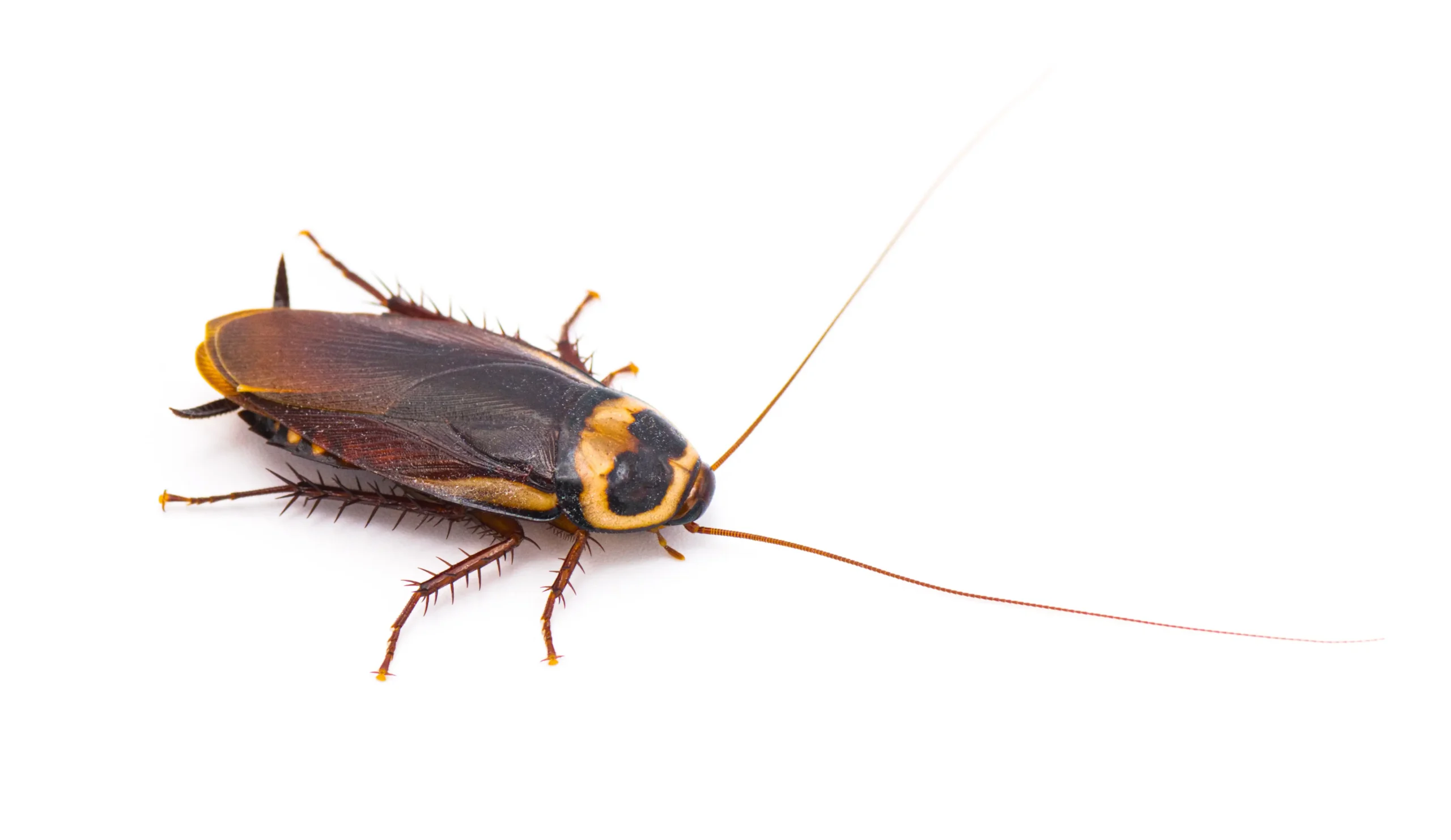
Table of Contents
What You Need to Know About Australian Cockroaches in South Florida
Australian cockroaches are one of the larger cockroach species found in and around South Florida homes. Unlike some cockroach species that commonly establish themselves indoors, Australian cockroaches primarily live outdoors and may enter structures when they find suitable food, moisture, shelter, or an opening.
Australian cockroaches are common in southern Florida, where the warm climate allows them to remain active outdoors for much of the year. They often seek shelter in vegetation, beneath tree bark, around firewood, and in other moist areas. Their diet consists of a variety of organic materials, and they may also take advantage of available food sources around homes and landscaped areas.
For homeowners in Broward and Palm Beach Counties, knowing how to identify an Australian cockroach can help determine whether a sighting is likely to be an occasional outdoor encounter or a sign of recurring activity around the property.
How Worried Should You Be About Australian Cockroaches (on a 1-10 Scale)?
1
2
3
4
5
6
7
8
9
10
About a 4. Australian cockroaches are generally outdoor pests that thrive in warm, moist environments and may occasionally make their way indoors. An isolated sighting is not necessarily a sign of an infestation, but repeated activity, particularly inside the home, may indicate a more persistent problem.
Homeowners may have several concerns when Australian cockroaches become a recurring presence, including:
- Indoor activity: Although they primarily live outdoors, Australian cockroaches may enter homes through gaps, doors, windows, and other openings.
- Food contamination: Cockroaches can come into contact with food and surfaces and may mechanically carry microorganisms.
- Allergens: Cockroach feces, shed skins, and body parts can contribute to allergens that may affect susceptible individuals.
- Recurring outdoor activity: Large numbers of cockroaches may indicate suitable outdoor harborage around the property.
- Unwanted indoor pests: Even when they do not establish a long-term indoor population, Australian cockroaches can still be unpleasant to find inside a home.
Australian Cockroach Identification
Australian cockroaches have several features that can help homeowners distinguish them from other cockroach species. Knowing what to look for can make identification easier. Look for the following characteristics:
 Scientific name: Periplaneta australasiae
- Size: About 1¼ to 1⅓ inches long
- Color: Reddish-brown to dark-brown
- Wings: Fully developed wings in adults
- Key marking: Light-yellow bands along the outer edges of the forewings
- Typical habitats:
- Leaf litter, mulch, and other moist organic material
- Woodpiles, fallen logs, and beneath loose tree bark
- Dense vegetation, shrubs, and landscaped areas
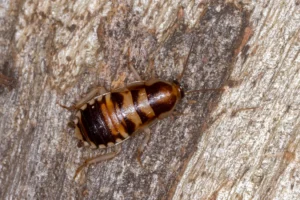 Scientific name: Periplaneta australasiae
Signs of Australian Cockroach Activity
Finding an Australian cockroach around your property is not always a cause for concern. If sightings become more frequent or you begin noticing other evidence of activity, there may be conditions attracting or sheltering them nearby. Signs to watch for include:
- Repeated Outdoor Sightings: Finding Australian cockroaches regularly around the home, particularly in sheltered or moist areas.
- Cockroaches Near Entry Points: Seeing them around doors, windows, vents, or other areas where they may gain access to the home.
- Indoor Sightings: Finding Australian cockroaches inside the home, especially when sightings occur more than once.
- Droppings: Small dark specks or smears in areas where cockroaches are active.
- Dead Cockroaches or Shed Skins: Finding dead cockroaches or shed body parts can indicate cockroach activity, although these signs do not identify the species on their own.
Ready to be pest-free?
Get a free quote today and see why thousands of homeowners across Pompano Beach and the surrounding areas choose Petri Pest Control Services, Inc.
Australian Cockroach vs. American Cockroach
Australian and American cockroaches can be easy to confuse because both species are relatively large and reddish-brown. However, there are several differences in their appearance, markings, and typical habitat that can help you tell them apart:
| Characteristic | Australian Cockroach | American Cockroach |
|---|---|---|
|
Size |
About 1¼ to 1⅓ inches |
About 1½ to 2 inches |
|
Color |
Reddish-brown to dark-brown |
Reddish-brown |
|
Wing markings |
Light-yellow bands along the outer edges of the wings |
No matching yellow wing bands |
|
Head marking |
May have yellow markings |
Distinctive yellowish figure-eight marking behind the head |
|
Typical habitat |
Primarily outdoors |
Commonly found both indoors and outdoors |
How to Get Rid of Australian Cockroaches
Getting rid of Australian cockroaches starts with understanding where they are coming from and what may be attracting them to the property. Because these cockroaches primarily live outdoors, addressing favorable outdoor conditions and limiting access to the home can help reduce activity. Common steps include:
- Remove Outdoor Hiding Places: Clear away woodpiles, leaf litter, excess mulch, and other materials that can provide shelter for Australian cockroaches.
- Reduce Food and Water Sources: Address sources such as standing water, pet food, garbage, and decaying organic material that may attract cockroaches around the property.
- Limit Access to the Home: Seal or repair gaps, cracks, and other potential entry points around doors, windows, utility openings, and the exterior of the structure.
- Address Recurring Activity: If Australian cockroaches continue to appear around your home or are repeatedly getting inside, professional treatment can help identify and address conditions contributing to the problem.
If Australian cockroach activity continues despite these measures, professional cockroach control can help identify the source of the activity and determine an appropriate treatment approach.
Australian Cockroach Prevention
Because Australian cockroaches are common outdoors in South Florida, completely eliminating them from your property is not realistic. However, there are some simple measures that can help reduce the likelihood of activity around your home. Consider the following:
- Reduce Outdoor Clutter: Remove unnecessary piles of leaves, branches, and other yard debris.
- Manage Moisture: Repair leaks and address drainage or irrigation problems that leave areas consistently damp.
- Maintain Vegetation: Keep dense vegetation and groundcover from becoming heavily overgrown near the home.
- Manage Mulch: Avoid excessive mulch and organic debris directly against the structure.
- Store Firewood Away From the Home: Keep firewood elevated and away from the structure when possible.
- Seal Potential Entry Points: Check around doors, windows, utility lines, vents, and other openings for gaps.
- Check Door Thresholds: Tight-fitting doors can help limit opportunities for outdoor cockroaches to enter.
- Monitor Recurring Activity: Pay attention to areas where Australian cockroaches are repeatedly seen, particularly around potential harborage areas.
Australian Cockroach FAQs
Because Australian cockroaches can resemble other large cockroach species, identifying them is not always straightforward. These frequently asked questions can help homeowners learn more about Australian cockroach identification, behavior, and control.
Are Australian cockroaches common in Florida?
Yes. Australian cockroaches are particularly common outdoors in southern Florida. UF/IFAS identifies them as the most common cockroach species found outdoors in southern Florida.
Are Australian cockroaches the same as American cockroaches?
No. They are different species, although they can look similar. Australian cockroaches are generally smaller and have distinctive yellow bands along the outer edges of their forewings.
Do Australian cockroaches live inside homes?
Australian cockroaches primarily live outdoors, but they can enter homes and other structures. They may be found indoors in dark, warm, or moist locations when conditions allow.
What attracts Australian cockroaches to a property?
Moisture, vegetation, organic debris, firewood, and other sheltered outdoor areas can provide food or harborage. Gaps around doors, windows, and other parts of a structure can also give them a way inside.
Should I be concerned if I see one Australian cockroach?
One outdoor sighting does not necessarily indicate an indoor infestation. However, repeated sightings or cockroaches appearing inside your home may indicate that conditions around the property are supporting ongoing activity.
When should I call a professional?
Consider professional cockroach treatment if you are seeing Australian cockroaches frequently, finding them inside your home, or continuing to see them after addressing obvious sources of moisture, food, shelter, and potential entry points.
Contact Petri Pest Control Services For Help With Australian Cockroaches
Australian cockroaches are common outdoor pests in South Florida, but repeated activity around your home may indicate that conditions are allowing them to thrive or enter the structure.
Petri Pest Control Services provides professional cockroach control throughout Broward and Palm Beach Counties. If you are repeatedly seeing Australian cockroaches around your home or finding them indoors, our team can help identify contributing conditions and determine an appropriate treatment approach.
If you are seeing Australian cockroaches or finding signs of recurring cockroach activity around your home, contact Petri Pest Control Services to learn more about your cockroach control options.