
Fire Ant Facts & Identification
Type: Ants

Key Takeaways: Fire Ants
- These pests are notorious for their painful, venomous stings, having adapted perfectly to South Florida’s warm, sunny environments.
- Fire ants are a genuine health hazard, known to cause burning welts, allergic reactions, and (in rare cases), anaphylaxis requiring emergency medical attention.
- A small mound can escalate into a severe infestation with alarming speed. Their reproductive rate is remarkable; a single queen can deposit up to 1,500 eggs daily.
- They are expert colonizers, rapidly expanding their territory and aggressively driving out native ant populations.
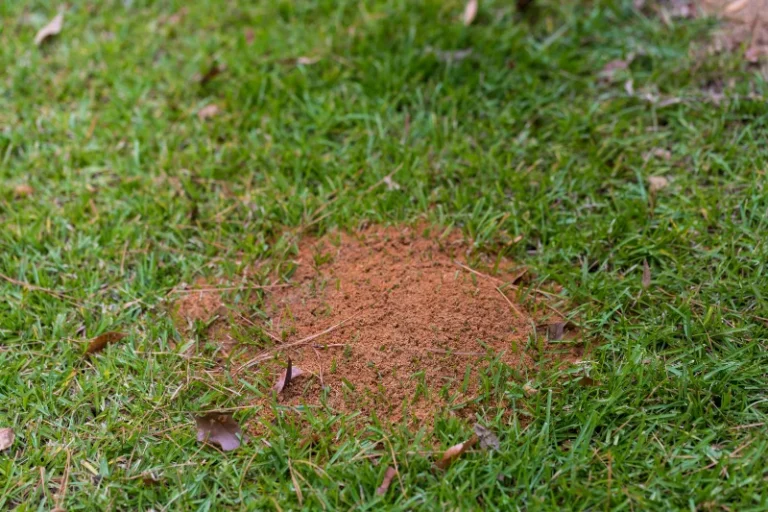
- If you notice dome-shaped dirt mounds in your yard or experience painful stings while walking through your lawn, there is a high probability you have a fire ant problem.

Table of Contents
What to Know About Fire Ants in South Florida
Unlike some ant species that remain relatively contained, these pests build massive colonies that can contain hundreds of thousands of workers. They especially enjoy warm, moist environments found near irrigated lawns, retention ponds, and areas with drainage issues.
Many residents assume fire ants are simply part of living in South Florida, but rest assured, with the right approach, you can eliminate and prevent fire ant infestations on your property. These insects are opportunistic; they gravitate toward sunny, open areas and anywhere with consistent moisture from leaking outdoor fixtures or overwatering.
Watch Out: Fire ants are extremely territorial and aggressive. Disturbing one of their mounds triggers an immediate swarm response. Workers will latch on with their mandibles and sting repeatedly, leaving behind burning, swollen welts that can take days to heal.
How Concerned Should You Be About Fire Ants (on a 1-10 Scale)?
1
2
3
4
5
6
7
8
9
10
Approximately, an 8. If this is higher than you were expecting, the rating reflects the health risks, property damage potential, and the difficulty of eliminating established colonies. Because they reproduce faster than most ant species and can have multiple queens per colony, you should consider calling a professional exterminator as soon as possible.
Fire ants cause a range of issues for both your health and your property with:
- Painful stings and allergic reactions: Most stings result in burning, itchy welts and blisters filled with pus-like fluid. Some individuals experience severe allergic reactions, and in rare cases, stings can trigger anaphylaxis requiring emergency medical attention.
- Danger to pets: Dogs, cats, and other animals that accidentally disturb a mound can suffer numerous stings at once.
- Electrical equipment damage: Fire ants are strangely drawn to electrical components and have been known to infest AC units, pool pumps, and electrical boxes, causing short circuits and costly repairs.
- Landscape and garden destruction: These pests attack seedlings, young plants, and fruit crops while also preying on beneficial insects that support healthy soil.
- Foundation and hardscape damage: Their underground tunneling can loosen soil beneath driveways, patios, pavers, and foundations, leading to settling and structural concerns over time.
- Ecological disruption: Fire ants aggressively outcompete native ant species, throwing off the balance of local ecosystems.
How to Identify Fire Ants
People often refer to these simply as “red ants” because of their distinctive coloring. Be sure to look out for the following:
Size: ⅛” to ⅜”
Color: Red-brown to copper-brown, and with darker abdomens
Legs: Six
Antennae: Yes
Wings: Reproductive males and females have wings
Habitat: Fire ants create dome-shaped mounds in soil, favoring sunny, exposed areas such as lawns, landscaped beds, and along building foundations.
Fire Ant Habits:
- Construct large soil mounds in open, sun-exposed areas, particularly following heavy rainfall
- Extremely territorial and will drive out native ant populations
- Grip onto victims with their mandibles before delivering painful, venomous stings from their abdomen
Ready to be pest-free?
Get a free quote today and see why thousands of homeowners across Pompano Beach and the surrounding areas choose Petri Pest Control Services, Inc.
Fire Ant Prevention Strategies
Proactive measures can make your property far less inviting to fire ants:
- Maintain your yard regularly: Mow and trim your lawn, and clear away debris, fallen branches, and leaf piles where ants like to establish nests.
- Eliminate moisture problems: Repair leaky outdoor faucets, address poor drainage, and avoid overwatering your lawn and landscaping.
- Inspect your property often: Check your yard weekly for new mounds, particularly after rainstorms.
- Create barriers: Apply granular treatments around your property’s perimeter and keep mulch at least twelve inches from your home’s foundation.
- Seal potential entry points: Close gaps around windows, doors, and utility pipes to prevent fire ants from moving indoors.
- Remove food attractants: Store outdoor food in sealed containers and promptly clean up spills or crumbs.
- Schedule routine professional treatments: The most reliable long-term protection comes from regular pest control services.
Let Petri Pest Control Services, Inc. Reclaim Your Yard
You don’t have to live in fear of your own backyard! At Petri Pest Control Services, Inc., we specialize in fire ant removal, inspection, and prevention throughout Palm Beach County and Broward County. With over 70 years of experience battling fire ants in South Florida, our experts know exactly how to solve your problem for good.
This is what our process looks like:
- A comprehensive inspection of your entire property.
- Targeted treatments that reach the entire colony, including the queen.
- Preventive applications to stop new colonies from establishing.
- Ongoing protection and follow-up visits for lasting results.
Don’t let fire ants take over your outdoor space. Learn more about how to get rid of fire ants here or contact Petri Pest Control Services, Inc. today for a free quote and take the first step toward a fire ant-free property!

Fire Ant FAQs
What should I do after getting stung by a fire ant?
Start by washing the sting site with soap and water. Apply a cold compress to reduce swelling, and use over-the-counter antihistamines or hydrocortisone cream to manage itching. Avoid scratching the blisters, as this can lead to infection. If you notice difficulty breathing, facial or throat swelling, or dizziness, seek emergency medical attention immediately.
Where did fire ants originally come from?
Fire ants are native to South America, particularly Brazil and Argentina. They arrived in the United States decades ago and have since become a significant invasive pest across the Southeast, including throughout South Florida.
Do fire ants bite (or sting)?
Fire ants primarily sting rather than bite. They clamp onto skin with their mandibles to anchor themselves, then inject venom through the stinger on their abdomen, causing that distinctive burning sensation.
Are fire ants venomous?
Yes. Fire ant venom causes pain and can provoke allergic reactions in certain individuals. Severe reactions may require immediate emergency medical care.
Are all red-colored ants fire ants?
Not at all. While fire ants have a characteristic reddish-brown appearance, other ant species (such as harvester ants) share similar coloring but have very different behaviors and nesting habits.
Are fire ants considered invasive?
Absolutely. Fire ants are an invasive species that have caused substantial ecological and economic harm since their introduction to the U.S. They outcompete native ants and create serious problems for homeowners, pets, and local wildlife.
When are fire ants most active in South Florida?
Thanks to our warm climate, fire ants remain active year-round in Palm Beach County and Broward County. However, they tend to be most aggressive during spring and fall when they’re actively reproducing and expanding their colonies.